 Cartilage
 Knees
Knees Hip
Hip Shoulder
Ankle Cartilage Repair Recovery and Clinical Care
03/03/26
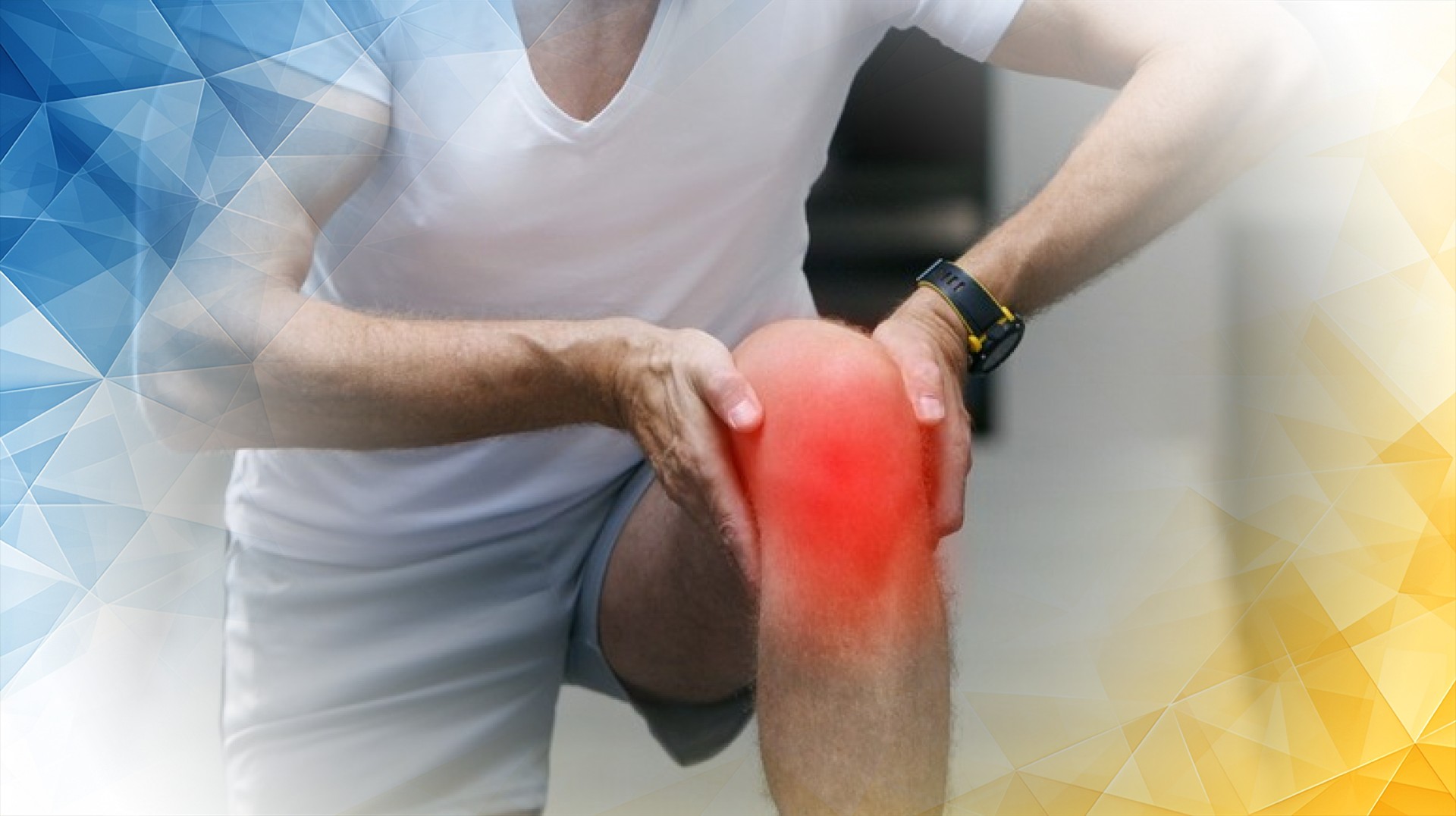

Knee pain and cartilage damage are increasingly common problems, especially among adults keen to stay active and mobile as they age. With longer, more active lives, finding effective treatments for joint issues is more important than ever. Exciting developments in artificial cartilage gels are now changing the way we approach knee joint repair. These innovative treatments offer new hope that goes beyond traditional methods, potentially improving comfort and mobility for many people.
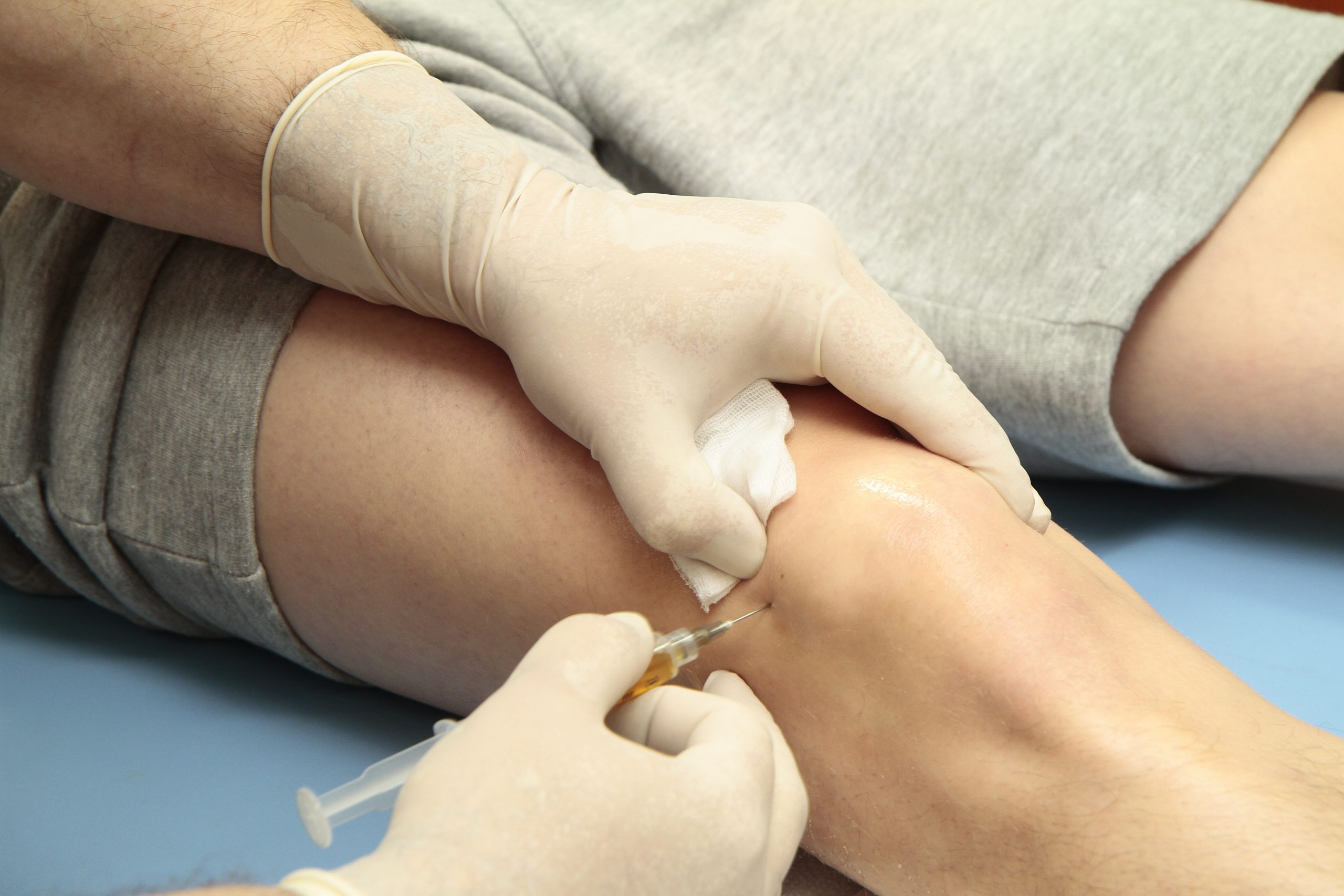
Artificial cartilage gels are specially designed substances that mimic the natural cartilage found in the knee. Much like natural cartilage, these gels cushion the joint, absorb shocks, and promote smooth movement. Designed to be compatible with the body, they integrate well with knee tissues. Their flexible and resilient nature allows them to adapt to movement and pressure. Essentially, these gels help support knee cartilage regeneration and encourage cartilage repair. One recent study described it as “a liquid cell-free collagen matrix, for the treatment of symptomatic full-thickness chondral defects…in a one-step arthroscopic procedure.”
In recent years, the development of artificial cartilage gels has seen impressive progress. Scientists have created biomaterials that enhance the gel’s durability and effectiveness, allowing it to better withstand everyday wear and tear. Improved delivery techniques now enable precise placement where the damage is greatest. Experts have observed that “cells, scaffold therapies, and injectable agents have emerged as an adjunctive modality to improve clinical outcomes.” These gels are expected to become more widely available soon, making “cartilage regeneration by 2025” a realistic target. Compared to earlier treatments like microfracture surgery or supplements, artificial cartilage gels offer “a simple, inexpensive, and reproducible technique to facilitate the implantation of biologic and injectable materials…during arthroscopy.” This distinct method focuses on restoring cartilage function rather than just managing symptoms.
Artificial cartilage gels come with several benefits, especially for those with early osteoarthritis or small cartilage injuries. They can reduce pain, improve joint movement and encourage some cartilage regrowth. However, it’s important to understand their limits. These gels don’t guarantee a full cartilage restoration and are quite different from the body’s natural repair process. Research highlights the need for “further prospective randomised studies with higher case numbers and longer follow-up” to fully establish their role. Clinical outcomes can vary from person to person, so these gels are best considered as part of a wider treatment plan rather than a complete fix on their own.
Professional assessment and care are critical when exploring knee cartilage treatments, including artificial cartilage gels. Professor Paul Lee, an expert with extensive experience in orthopaedics and rehabilitation, serves as a Cartilage Expert and Regional Surgical Ambassador, advising the Royal College of Surgeons of Edinburgh. The London Cartilage Clinic provides an expert environment for patient care and recovery, supporting advanced knee repair methods. Consulting experienced practitioners ensures treatment is personalised and outcomes are optimised.
Artificial cartilage gel technology offers a promising and evolving option for repairing knee joints. While these gels bring new hope for improving knee health and function, ongoing research and clinical trials are essential to understand their long-term effectiveness fully. For personalised advice and treatment, it’s important to speak with a qualified healthcare professional who can guide you based on your individual needs.
Artificial cartilage gels mimic natural knee cartilage, cushioning joints and aiding smooth movement. At London Cartilage Clinic, Prof Paul Lee offers advanced options that may help relieve pain and support cartilage repair, enhancing patient comfort and joint function.
These gels are particularly useful for early osteoarthritis or small cartilage injuries. Prof Paul Lee will conduct a thorough assessment at London Cartilage Clinic to determine if this innovative treatment matches each patient’s needs, ensuring a personalised approach to knee health.
Prof Paul Lee is a leading Cartilage Expert, Regional Surgical Ambassador, and advisor to the Royal College of Surgeons of Edinburgh. The London Cartilage Clinic provides expert assessment and care, focusing on advanced, evidence-based treatments to support optimal recovery and patient satisfaction.
Artificial cartilage gels offer a newer approach, aiming to restore joint function rather than just manage symptoms. Compared to traditional methods, treatments at London Cartilage Clinic under Prof Paul Lee emphasise precision, innovation, and a focus on regeneration in patient care.
While artificial cartilage gels may reduce pain and boost movement, they do not guarantee complete restoration. Clinical outcomes vary. Prof Paul Lee and the London Cartilage Clinic advocate for comprehensive, tailored treatment plans to provide the best possible support for knee recovery.
All our treatments are selected to help patients achieve the best possible outcomes and return to the quality of life they deserve. Get in touch if you have any questions.
At London Cartilage Clinic, we are constantly staying up-to-date on the latest treatment options for knee injuries and ongoing knee health issues. As a result, our patients have access to the best equipment, techniques, and expertise in the field, whether it’s for cartilage repair, regeneration, or replacement.
For the best in patient care and cartilage knowledge, contact London Cartilage Clinic today.
At London Cartilage Clinic, our team has spent years gaining an in-depth understanding of human biology and the skills necessary to provide a wide range of cartilage treatments. It’s our mission to administer comprehensive care through innovative solutions targeted at key areas, including cartilage injuries. During an initial consultation, one of our medical professionals will establish which path forward is best for you.
Contact us if you have any questions about the various treatment methods on offer.
Legal & Medical Disclaimer
This article is written by an independent contributor and reflects their own views and experience, not necessarily those of londoncartilage.com. It is provided for general information and education only and does not constitute medical advice, diagnosis, or treatment.
Always seek personalised advice from a qualified healthcare professional before making decisions about your health. londoncartilage.com accepts no responsibility for errors, omissions, third-party content, or any loss, damage, or injury arising from reliance on this material. If you believe this article contains inaccurate or infringing content, please contact us at [email protected].